Unauthorized sale
Sites that do not belong to the brand but offer its name or products for sale become findings.

Authex e-commerce monitoring is an online brand-monitoring solution that detects unauthorized use of your brand and product photos on web shops selling under their own domain, outside the marketplaces, collects the evidence and reports it. For each finding it prepares the evidence file and a draft report; the brand's team or its lawyer decides whether to send it and sends it.
Overview
E-commerce monitoring tracks how your brand is used on independent web shops outside the marketplaces. Sites that sell counterfeits or attract customers with the brand's photos are often built on off-the-shelf shop software, and they turn up in search results, ads and links shared on social media.
Authex finds these sites through searches for brand and product names and through reverse image search. Images matching your product photos (with the similarity score and the matched reference image) and a barcode or product code that differs from your catalog are added to the finding's reasons; if you have entered a price band for the product, a price outside it gets an extra label.
Each site is recorded with a screenshot and its WHOIS and SSL details. The brand's official sites and the dealer domains you allow stay out of the scan; large marketplaces are covered by marketplace monitoring and look-alike domains by domain monitoring.
Scope
Stores built on e-commerce platforms and sites selling under their own domain are scanned. Scans can be targeted by country and language; sites that do not sell, such as forums, news or dictionaries, and large marketplaces are kept out of this scope.
Detection
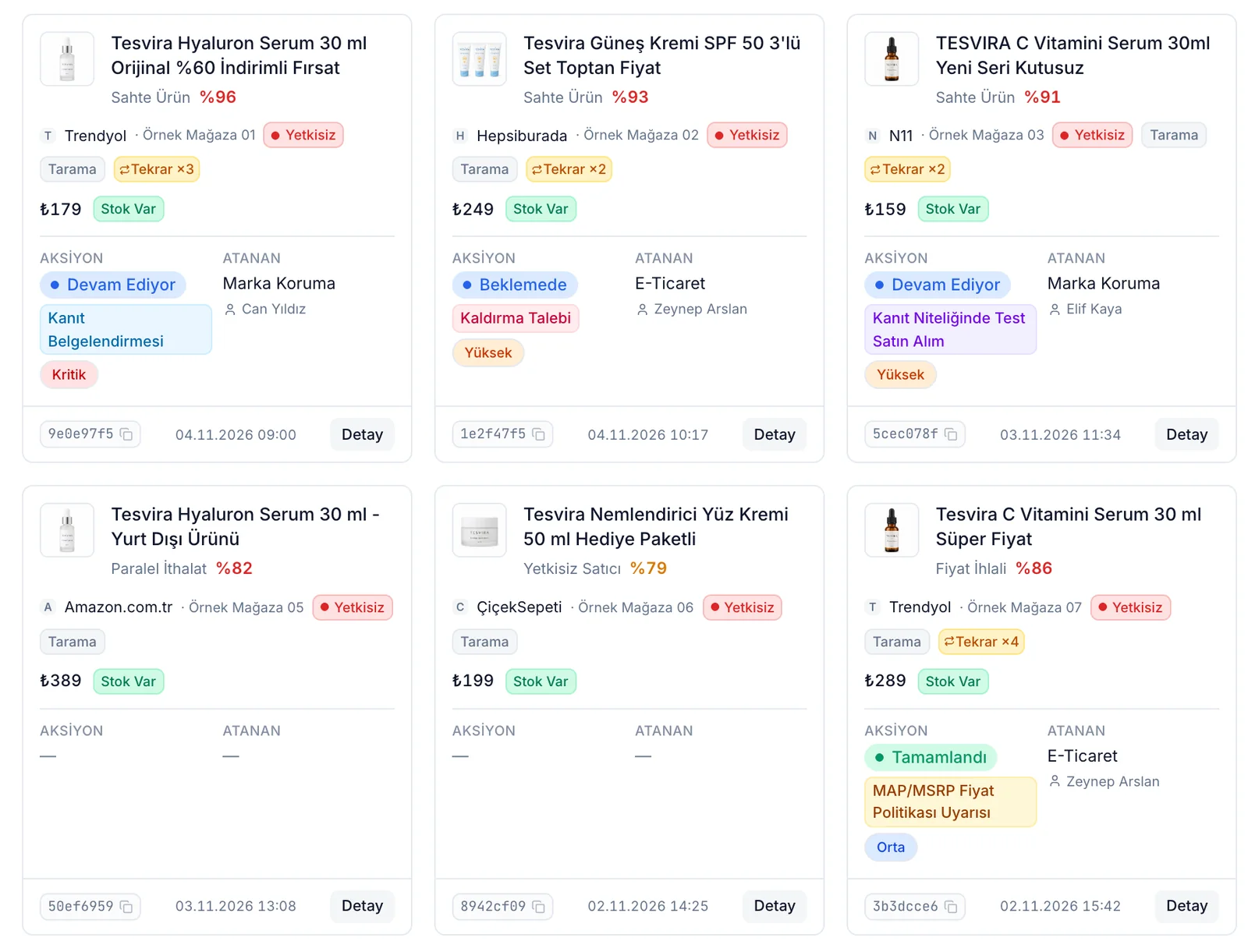
Sites that do not belong to the brand but offer its name or products for sale become findings.
Images matching the brand's own product photos or logo are shown with the similarity score and the matched reference image.
Sales by sites not on your authorized seller and allowed domain lists become findings; sites on those lists never do.
Evidence
Process
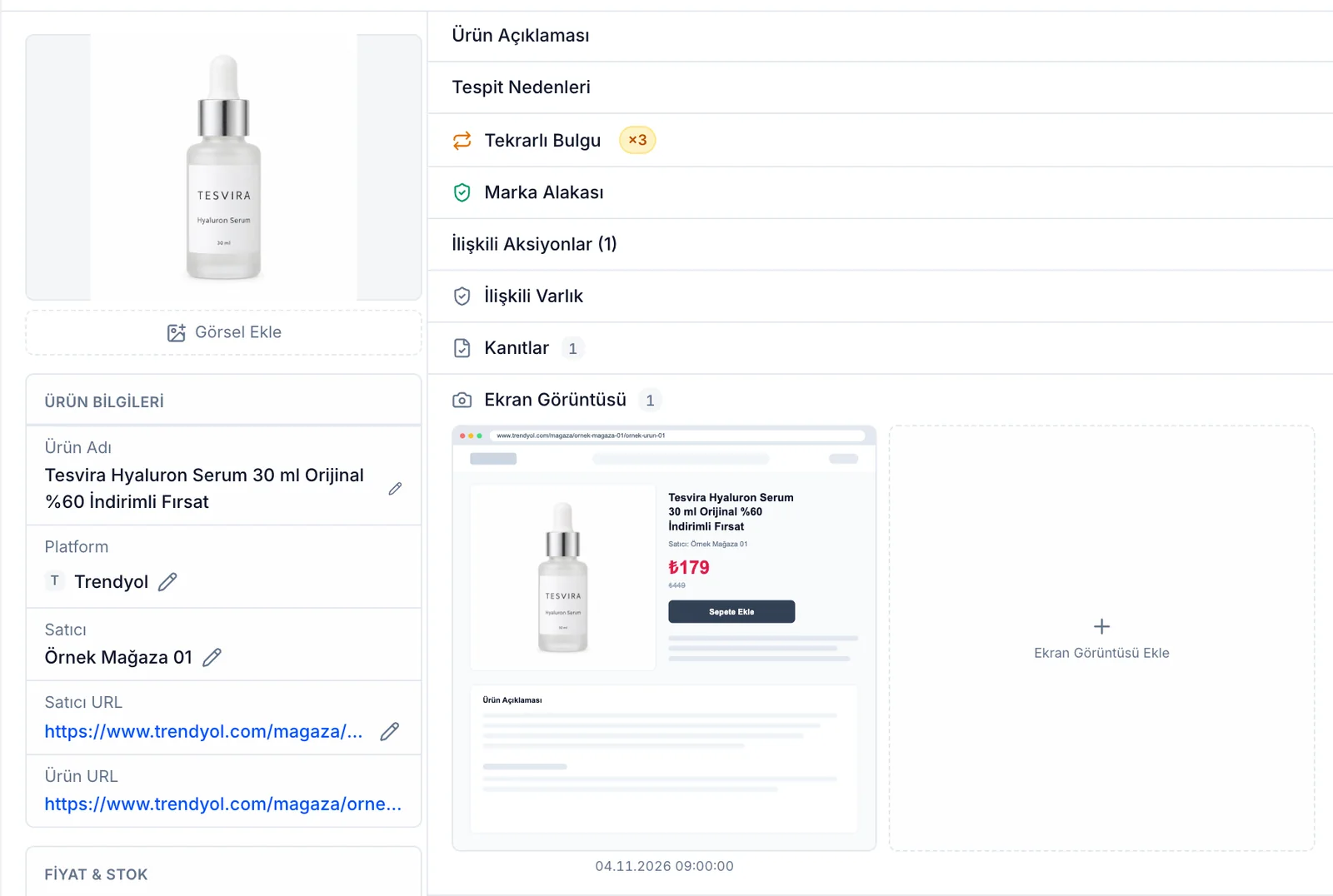
The brand name, products, official images, authorized dealers and allowed domains go into the system.
You set the countries, languages and scan frequency; scans run on schedule.
Search and reverse image search collect sites using the brand or its product photos.
Image matches, product codes and prices set the risk level; the brand's team confirms, reviews or dismisses each finding.
For a confirmed site, Authex prepares the evidence file and a draft report. The brand's team or lawyer sends it, and Authex keeps checking whether the site stays online.
Who it is for
Manufacturers whose products are also sold online through dealers and independent shops see sales outside their own channels.
Exporters selling in several countries target searches by local language to follow sites in each market.
Brands running their own web shop notice the stores that copy their site and product photos.
Lawyers writing to a registrar or hosting provider work from a record that already includes a screenshot, the capture time and the source address.
FAQ
Authex detects the site, records it with evidence and prepares a draft report for the registrar or hosting provider. The brand's team or its lawyer decides whether to send it and sends it; Authex keeps tracking whether the site stays online.
No. The brand's official and allowed domains are never flagged.
Marketplace monitoring looks at listings on platforms such as Trendyol or Amazon. E-commerce monitoring covers independent stores selling under their own domain.
Yes. Scans are targeted by country and language, so local sites in your export markets are covered too.
Yes. For every site, the screenshot, capture time, source URL, WHOIS and SSL details sit in the same evidence file. Your lawyer can use the file for the platform report and for their legal assessment.
Guides

The signals that give away a counterfeit seller on marketplaces and social media, how to document them and when to go to the platform or to a lawyer.
6 min read
Evidence of online brand infringement means listing captures, timestamps, seller details, test purchases and, if needed, a notarial record. Here is the order.
6 min read
Marketplaces, online stores, social media, ads, domains and app stores: how misuse of a brand looks in each channel and how the channels connect.
4 min read
How a finding is classed as authorized, unauthorized or unclear, which records the classification rests on, and why priorities follow from it.
4 min readIndustries
 Luxury goodsDocument counterfeits on resale platforms, fake boutique sites and accounts trading on your brand name.
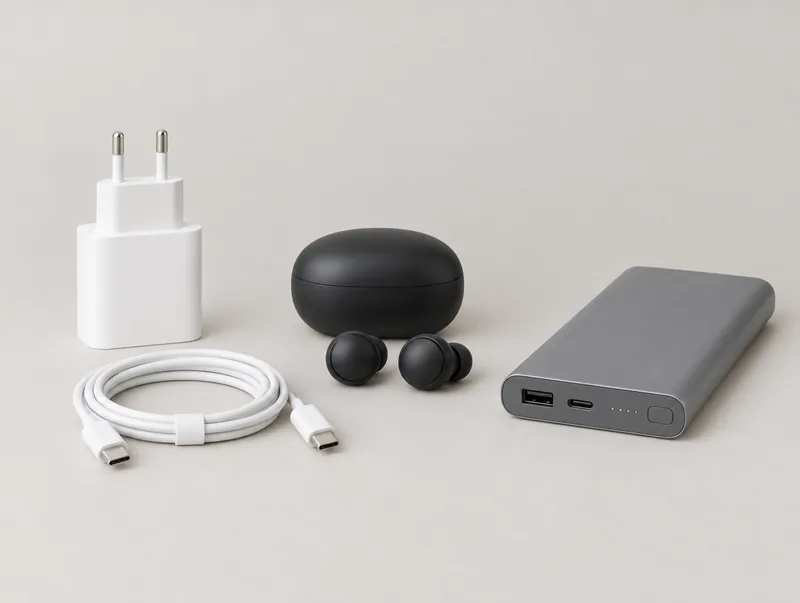 ElectronicsMonitor counterfeit charger and battery listings, fake repair service sites and copycat apps.
 Cosmetics and personal careTrack dupe and counterfeit listings, fake giveaway accounts and misleading product claims online.
Other solutions
Regularly monitors your brand's visibility on marketplaces; detects and reports counterfeits, unauthorized sellers and unauthorized brand use with evidence.






Regularly searches the records of 9 trademark and 10 patent offices, including TÜRKPATENT, EUIPO, WIPO and USPTO, for filings similar to your brand and products, and lists them with their source. The infringement assessment belongs to your trademark and patent attorney.
Regularly scans for domains that resemble your brand and for imitation and misleading websites; records phishing and fake shop sites with evidence.
Meeting request
The first meeting reviews your brand, sales channels and the risks you face, and recommends a monitoring scope.
Request a meeting