Accounts taking orders on social media
Accounts with the brand name in their handle may post price lists, take orders by message and deliver by courier.

Turkish Law No. 4250 bans advertising alcoholic drinks, selling them to consumers through press and broadcast, and shipping them by post. Your brand name can still turn up on social media accounts, fake shop pages and event posts.
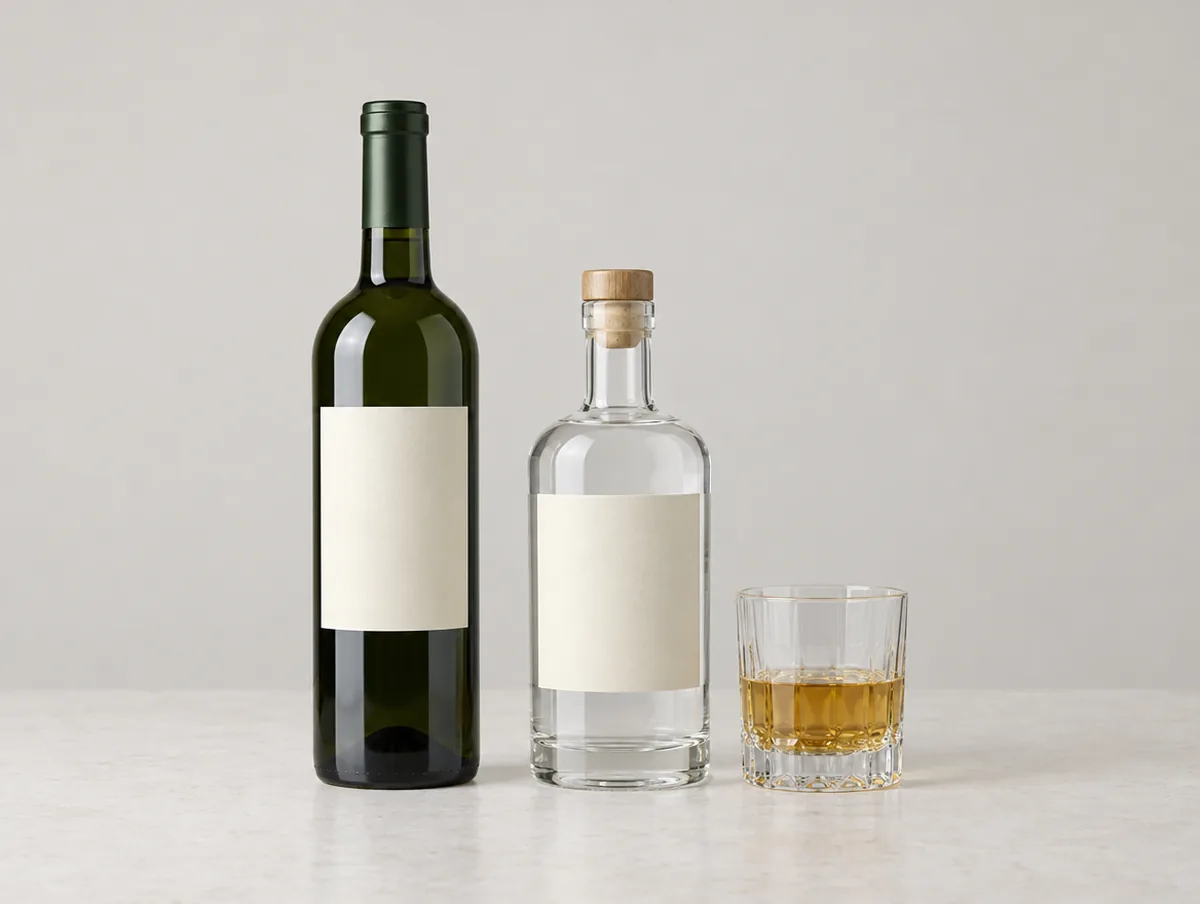
Implementation
Authex watches social media accounts and posts, sales pages, marketplace listings, ads and look-alike domains that use your brand and product names or your bottle and label images. Findings are ranked as critical, high, medium or low risk. Every record is kept with a screenshot and timestamp, and the draft of the notice your brand or lawyer files with the platform concerned is prepared from it. Posts using your logo are also found by image similarity and recorded the same way.
One online risk for spirits is unrecorded sales. From the outside you cannot see whether an account taking orders under your brand has a sales licence, or where the bottle came from. These accounts may reuse original bottle photos, campaign visuals and sometimes content lifted from the brand's official account. Since Law No. 7584 of 11 June 2026 amended Article 6 of Law No. 4250, producers, importers and marketers may not support posts or publications in any medium with their brands and logos. Keeping a dated record of posts made without the brand's permission can therefore matter more for legal teams.
Request a meeting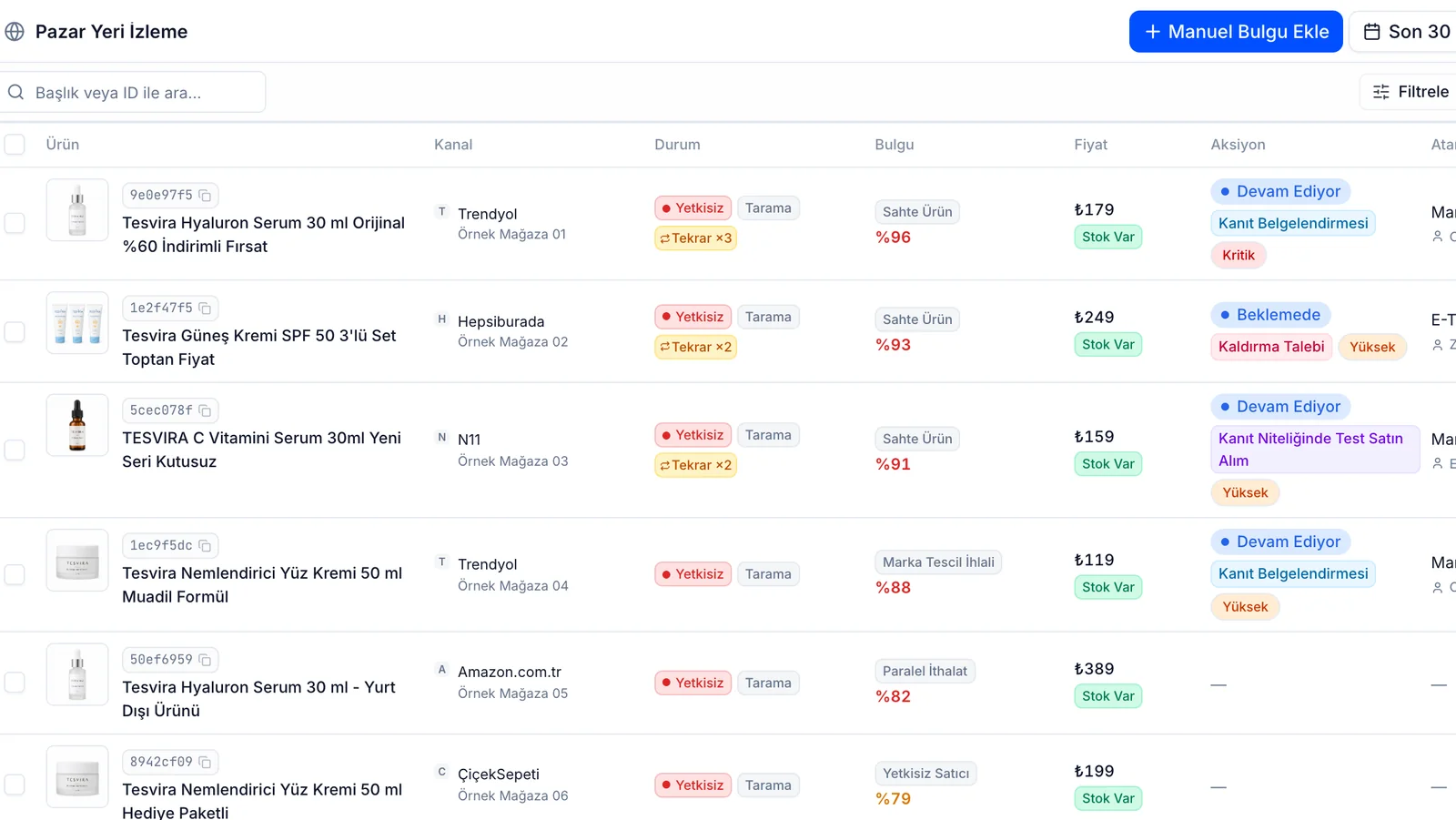
Risks
Accounts with the brand name in their handle may post price lists, take orders by message and deliver by courier.
Sites styled as official stores and social media ads may announce prices far below market. After payment the order may never arrive, or the bottle that does arrive has unknown contents.
Event announcements, venue posts and creator videos may use your logo and bottle images. Because the law bars producers, importers and marketers from supporting such posts with their brands and logos, a dated record showing the brand has no link to them is useful.
Domains made from the brand name plus "shop", "store" or a city name can be used for sales or phishing pages.
Example scenario
Product names, label and bottle images, official websites and social accounts, and authorized distributors are entered.
Social accounts, ad libraries, marketplaces and newly registered look-alike domains are scanned by brand name and image similarity.
Accounts and pages with sales content are captured for the report your brand or lawyer files with the platform. An evidence file (PDF and ZIP) is also prepared for event posts using the logo, and the legal team decides how to proceed.
If a closed account's profile image, product photos or contact details show up on a new account, the two records are linked and a new report draft is prepared.
Regulation
Alcoholic drinks may not be advertised or promoted to consumers. They may not be sold to consumers through press and broadcast, sent by post, or sold at retail between 22:00 and 06:00. The 2026 amendment by Law No. 7584 also bars producers, importers and marketers from supporting publications and posts in any medium with their brands, emblems and logos.
On the right holder's complaint backed by information and documents on the intellectual property infringement, the marketplace removes the product and informs the seller and the right holder. The complaint includes the parties' identity and address details, information on the product and the grounds for removal. The regulation's articles setting the detailed procedure and the 48-hour period (Articles 12 to 14) were stayed by the 10th Chamber of the Council of State (Danıştay) in May 2023; confirm the current position with your lawyer.
This section is for information only; official sources prevail for current obligations.
FAQ
Law No. 4250 bans selling alcoholic drinks to consumers through press and broadcast and shipping them by post, and it closes off advertising and promotion. An account taking orders under your brand does not fit these rules, and its licence and the origin of its stock cannot be checked from outside. Authex records these accounts with evidence and prepares the draft for the platform report.
Liability depends on the facts, and that call belongs to your legal team. Since the 2026 amendment bans brands from supporting posts in any medium with their logos, a record showing when the unauthorized use was found and how it was reported is useful. Authex keeps these records with the post URL and a screenshot.
The rights holder or their lawyer reports the site to its domain registrar and hosting provider, and any social media ad to the platform running it. The report includes a screenshot, the URL, the date and your trademark certificate. Authex prepares the file and the notice draft and, once your brand or lawyer has filed it, tracks the outcome and watches whether the site reopens at another address.
No. Authex works only on digital channels and does not inspect bottles or labels. The contents of a suspect product need laboratory analysis.
Other industries
 Food and beverageMonitor fake campaign pages, counterfeit listings and online sales missing mandatory food information.
 Luxury goodsDocument counterfeits on resale platforms, fake boutique sites and accounts trading on your brand name.
 Cosmetics and personal careTrack dupe and counterfeit listings, fake giveaway accounts and misleading product claims online.
Meeting request
The first meeting reviews your brand, sales channels and the risks you face, and recommends a monitoring scope.
Request a meeting