Counterfeit chargers and batteries
Chargers and batteries printed with the brand logo can be listed with original product photos at very low prices. They may have been built without a protection circuit.

In electronics the brand name can be used in counterfeit charger listings, fake repair service sites and copycat apps in app stores. Authex watches these channels in one place.
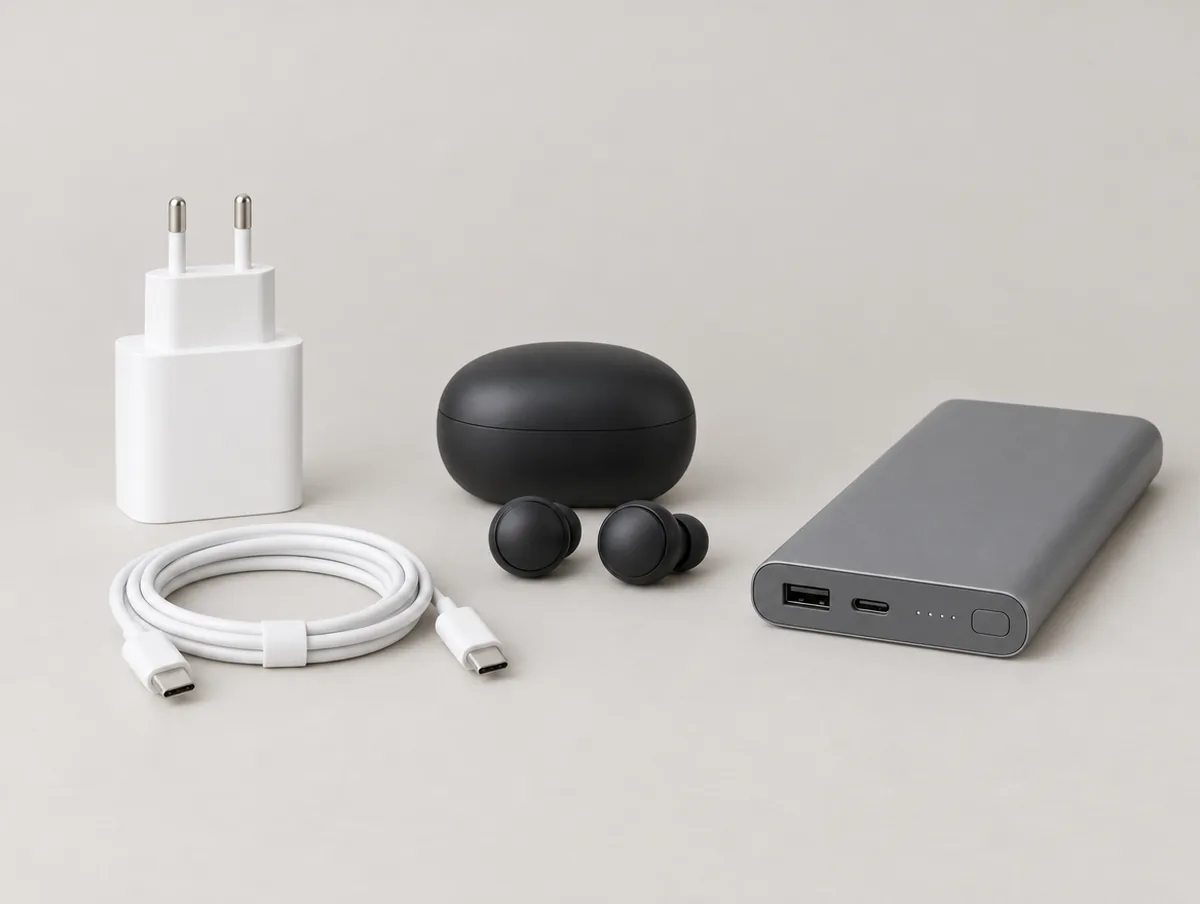
Implementation
Authex scans marketplace listings, web shops, search ads, domains and app store entries that use your brand and model names, product images and logo. If you enter a price band for a product, battery and charger listings priced below it get a price label; service sites on domains resembling your brand are found through logo and screenshot comparison, and apps using your icon through icon matching. Each finding is saved with a screenshot and date and ranked by risk. Once your brand files a notice, the listing's status is monitored, and new listings using the same product images are watched.
More than half of seized counterfeit electronics travel by standard mail, and the OECD and EUIPO link the spread of small parcels to the growth in online marketplace shopping. The listing behind the order may use the brand's own product photo and model name. A counterfeit charger or battery can carry a risk of fire and electric shock, and the safety complaint can be made under the brand name. Fake service sites can buy search ads on the brand name and steer customers into handing their device to an unauthorized shop.
Request a meeting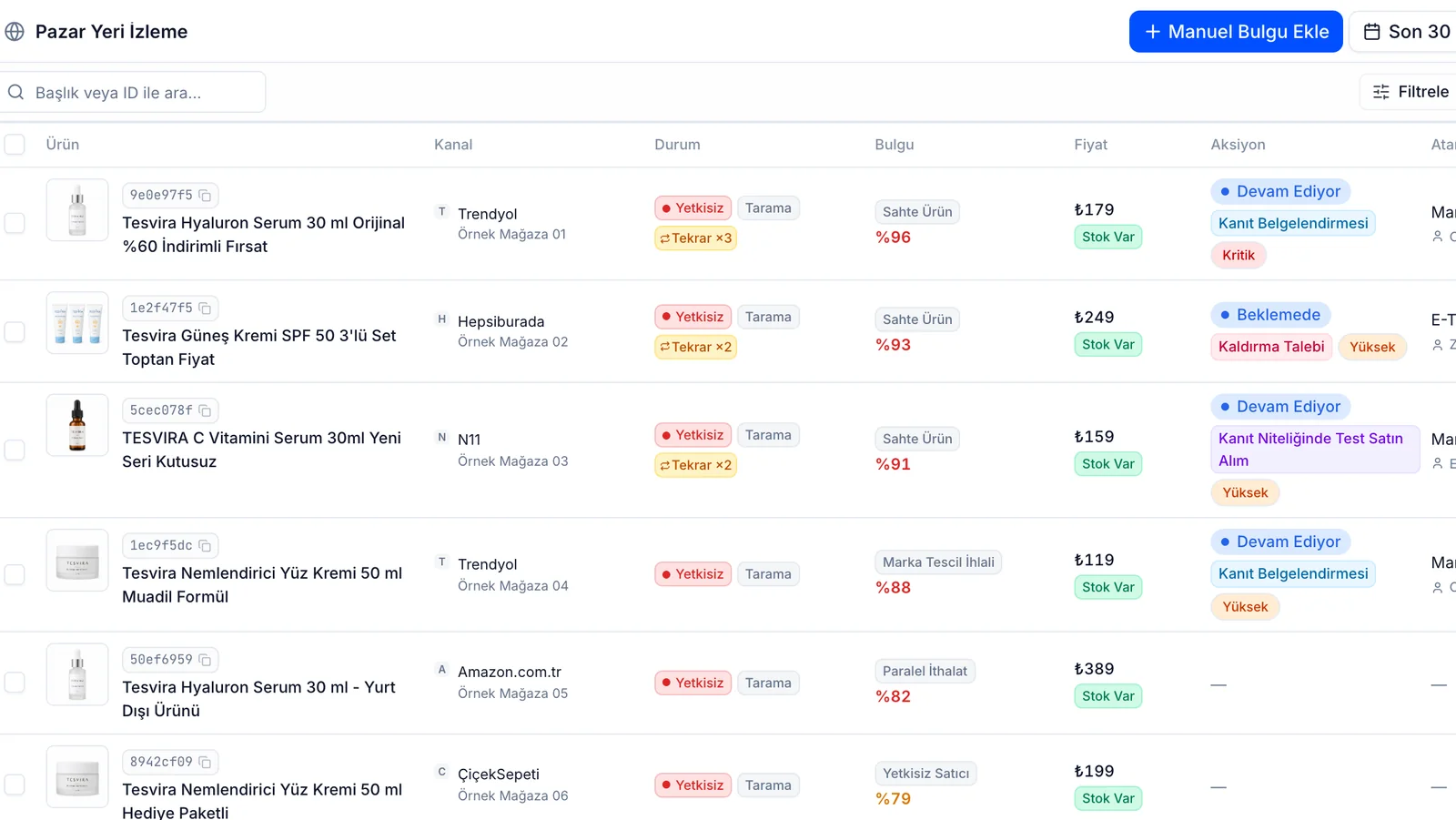
Data
Online spending on electronics in Türkiye in 2025; 75,500 businesses sell electronics online
Source: Turkish Ministry of Trade, e-commerce volume reached TRY 4.6 trillion in 2025, 12 May 2026Share of standard mail in counterfeit electronics seizures worldwide in 2020-21; express courier accounted for 21%
Source: OECD and EUIPO, Mapping Global Trade in Fakes 2025Share of electrical appliances and equipment among dangerous product alerts validated in EU Safety Gate in 2025, the third largest category
Source: European Commission, Safety Gate 2025 annual reportRisks
Chargers and batteries printed with the brand logo can be listed with original product photos at very low prices. They may have been built without a protection circuit.
Sites using an authorized service claim and the brand logo can show up at the top of search ads. Customers may hand their devices to unauthorized shops, and warranty problems can follow.
Refurbished or display units can be sold with new-product photos and a warranty promise. When the warranty claim is refused, the complaint can land with the brand.
Apps imitating your devices' companion app can be published in app stores with the same icon and a similar name and ask users for account details.
Example scenario
Model names, product images, official apps, authorized service and seller lists are entered.
Marketplaces, search ads, domains and app stores are scanned by brand and model name.
Findings are ranked as critical, high, medium or low risk. Your team can deal first with findings on safety-relevant products such as batteries and chargers and on copycat apps.
Your brand or lawyer sends trademark complaints to marketplaces and reports copycat apps to app stores. Records on non-compliant products can support a report to the market surveillance authority.
Regulation
When a non-compliant product is promoted and sold online, the competent authority notifies the intermediary service provider to remove the content. If it is not removed within 24 hours, access to the content is blocked.
The regulation has applied since 13 December 2024. Online marketplaces must register on the Safety Gate Portal and process notices on product safety issues within three working days at the latest.
A trademark owner can stop others without a right to the sign from using it online, with commercial effect, as a domain name, redirect code or keyword. Fake service sites and ads buying the brand name as a keyword can be assessed under this provision.
This section is for information only; official sources prevail for current obligations.
FAQ
The rights holder or their lawyer files a complaint with the marketplace with the trademark certificate, listing URL and grounds for counterfeiting, and the marketplace removes the product. The regulation's 48-hour period was stayed by the 10th Chamber of the Council of State (Danıştay) in May 2023; confirm the current position with your lawyer. If the product is a safety risk, the rights holder can also report it to the market surveillance authority. Authex records the listing and monitors its status after the complaint.
The rights holder or their lawyer reports the site to its registrar and hosting provider, and its ads to the ad platform, on trademark grounds. The Turkish Industrial Property Law lists unauthorized use of a mark as a domain name and keyword among the acts an owner can stop. Authex records both the site and its ads.
You file through the app store's intellectual property form with screenshots of your official app and the copy. Authex records the copy's name, icon and developer details with a screenshot of the store page, and after removal watches for its return under a new developer account.
No. Product safety and conformity assessment are done by accredited laboratories and market surveillance authorities. Authex provides the record of who sells the product online and how.
Other industries
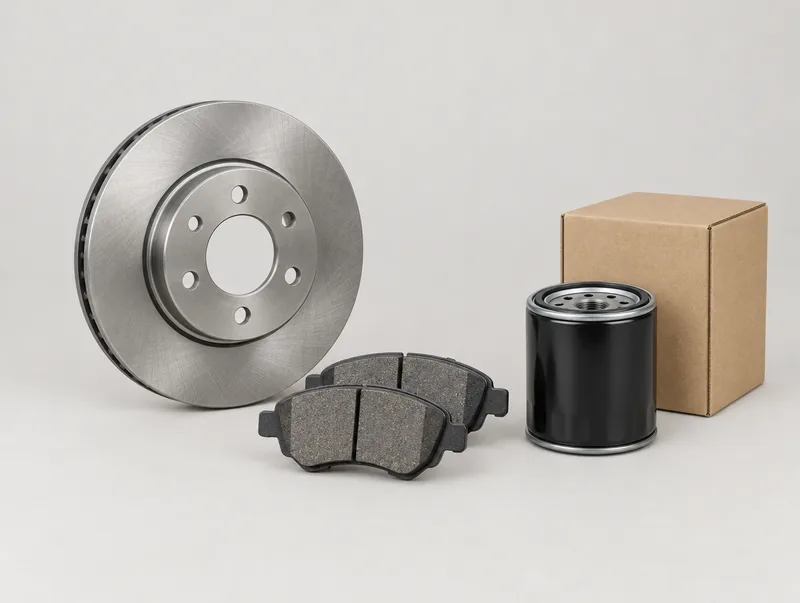 Automotive spare partsMonitor counterfeit listings using your OEM part numbers and unauthorized sellers claiming "original".
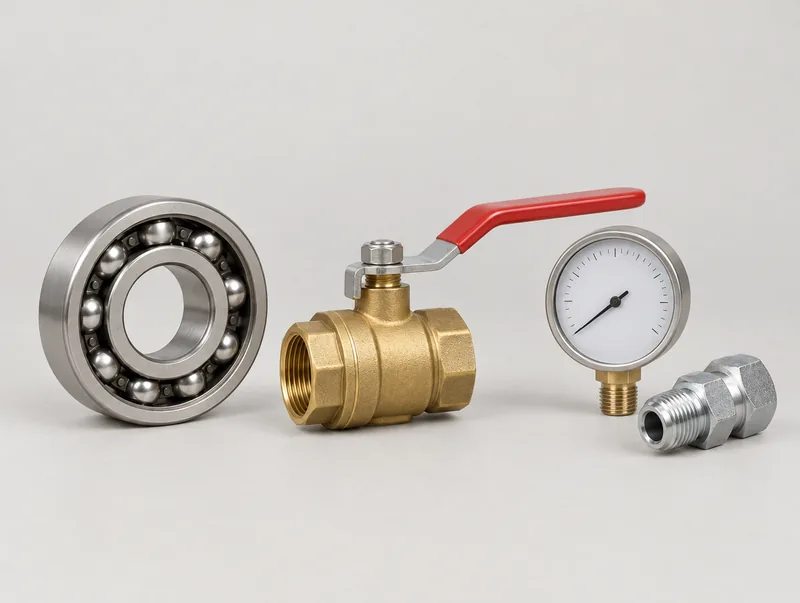 Industrial equipmentMonitor fake distributor sites, look-alike domains and counterfeit consumables listings.
 Luxury goodsDocument counterfeits on resale platforms, fake boutique sites and accounts trading on your brand name.
Meeting request
The first meeting reviews your brand, sales channels and the risks you face, and recommends a monitoring scope.
Request a meeting