"Super fake" sales on social media
Accounts may post product photos in stories, give prices by message and delete posts soon after. Content not captured at the time is gone when the complaint is made.

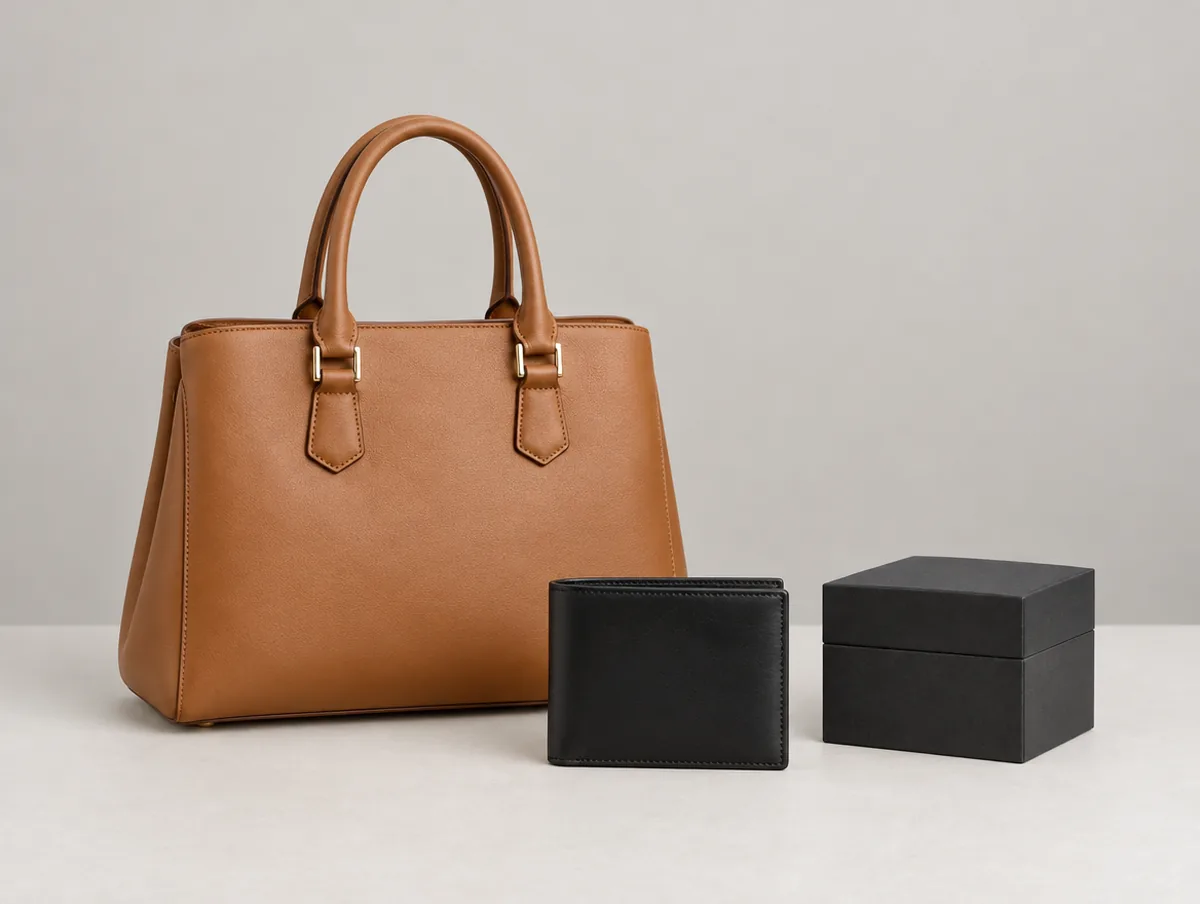
Counterfeit luxury goods can be sold on resale listings and social media accounts with an "original invoice" note. Authex monitors these listings, fake boutique sites and accounts carrying the brand name.
Implementation
Authex scans resale platforms, marketplace listings, social media accounts, ads and domains that use your brand name, monogram and logo images and model names. "Official seller" or "original" claims from stores outside your boutique and retailer list, look-alike domains showing phishing signals and mobile apps imitating your brand app are flagged as separate findings and ranked by risk. Each finding is stored with a screenshot, source URL and timestamp. Once your brand files a notice, the listing's status is monitored, and closed sites returning on a new domain are watched.
According to the 2025 OECD and EUIPO report, watches and footwear ranked first and second by value among counterfeit goods seized in 2020-21; in 2017-19 the top places went to watches and leather goods. Where these goods reach the buyer can be a social media account or a resale listing, and the seller may show copied invoices and box photos next to the item. Under the Turkish Industrial Property Law, use that takes unfair advantage of a well-known mark's reputation can be stopped even in a different product category. With temporary content such as stories, evidence can only be captured while it is live.
Request a meeting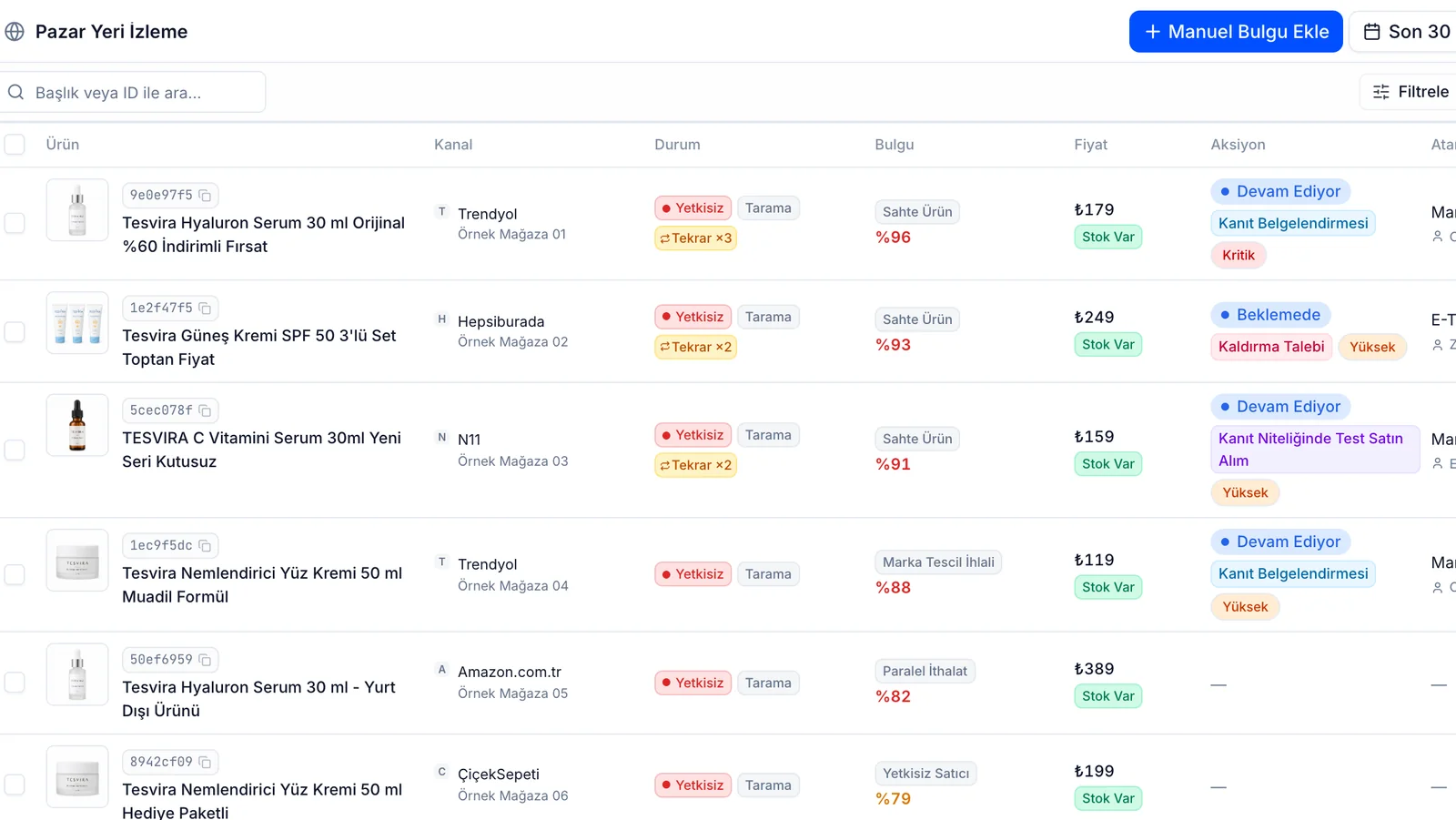
Data
Share of watches in the value of counterfeit goods seized worldwide in 2020-21; footwear followed with 15%
Source: OECD and EUIPO, Mapping Global Trade in Fakes 2025Share of Europeans who say they bought counterfeits in the last 12 months as a result of being misled; 23% among those aged 15 to 24
Source: EUIPO, European Citizens and Intellectual Property: Perception, Awareness and Behaviour, 2023Risks
Accounts may post product photos in stories, give prices by message and delete posts soon after. Content not captured at the time is gone when the complaint is made.
Counterfeits can be listed on resale platforms with copied invoices, warranty cards and box photos. Buyers may take the paperwork as proof of the product.
Boutique-style sites on domains that add a country code or "sale" to the brand name can collect card details.
Apps or ads using the brand name and icon can send users to fake campaign and payment pages.
Example scenario
Logo, monogram, model names, official boutique addresses, apps and authorized retailers are entered.
Resale platforms, social media, ads, domains and app stores are scanned. Posts and profiles found during a scan are captured by screenshot.
Findings are ranked as critical, high, medium or low risk. Domains showing phishing signals and unauthorized stores selling under an authorized retailer claim are flagged as well.
Your brand or lawyer files the platform and domain complaints. Records on repeat sellers are handed to the legal team as a single file.
Regulation
Use of a sign identical or similar to a registered mark that, because of the reputation the mark has reached in Türkiye, takes unfair advantage of or harms its reputation or distinctive character without due cause can be stopped, whatever the goods or services.
Online platforms must give priority to notices from trusted flaggers and process them in a timely way. The status is granted by the Digital Services Coordinator of the Member State where the applicant is established, and applicants must be independent of platforms. The rules have applied since 17 February 2024.
This section is for information only; official sources prevail for current obligations.
FAQ
Yes. The rights holder or their lawyer reports the listing through the platform's intellectual property channel with your trademark certificate and the grounds for counterfeiting, including the differences your product expert sees in the listing photos and the price. Authex records the listing and monitors its status after the complaint, along with the same seller's new listings.
Temporary posts must be captured while live, with a screenshot, the account URL and a timestamp; once deleted, the basis for a complaint weakens. Authex keeps these captures in the finding file and adds the account's later posts to the same file.
The rights holder or their lawyer sends an abuse report to the registrar and the hosting provider. Transfer or cancellation of the domain through a dispute procedure or court action is for your legal team to assess. The Turkish Industrial Property Law lists unauthorized use of a mark as a domain name among the acts an owner can stop.
The wording can mislead consumers about the seller's link to the brand and the rights holder can report it to the marketplace. Authex finds these stores by comparing them with your authorized retailer list and records the listing with a screenshot and source URL.
Other industries
 JewelleryMonitor listings copying your designs, boutique accounts using your brand and unauthorized use of your collection photos.
 Textile and apparelFind replica listings, fake outlet sites and unauthorized store names on marketplaces and social media, with the evidence your notices need.
 Cosmetics and personal careTrack dupe and counterfeit listings, fake giveaway accounts and misleading product claims online.
Meeting request
The first meeting reviews your brand, sales channels and the risks you face, and recommends a monitoring scope.
Request a meeting