Counterfeits sold with copied images
The counterfeiter may copy the brand's product photos and description into a new listing and price it below the official store. The buyer may receive a box with a different label or contents.

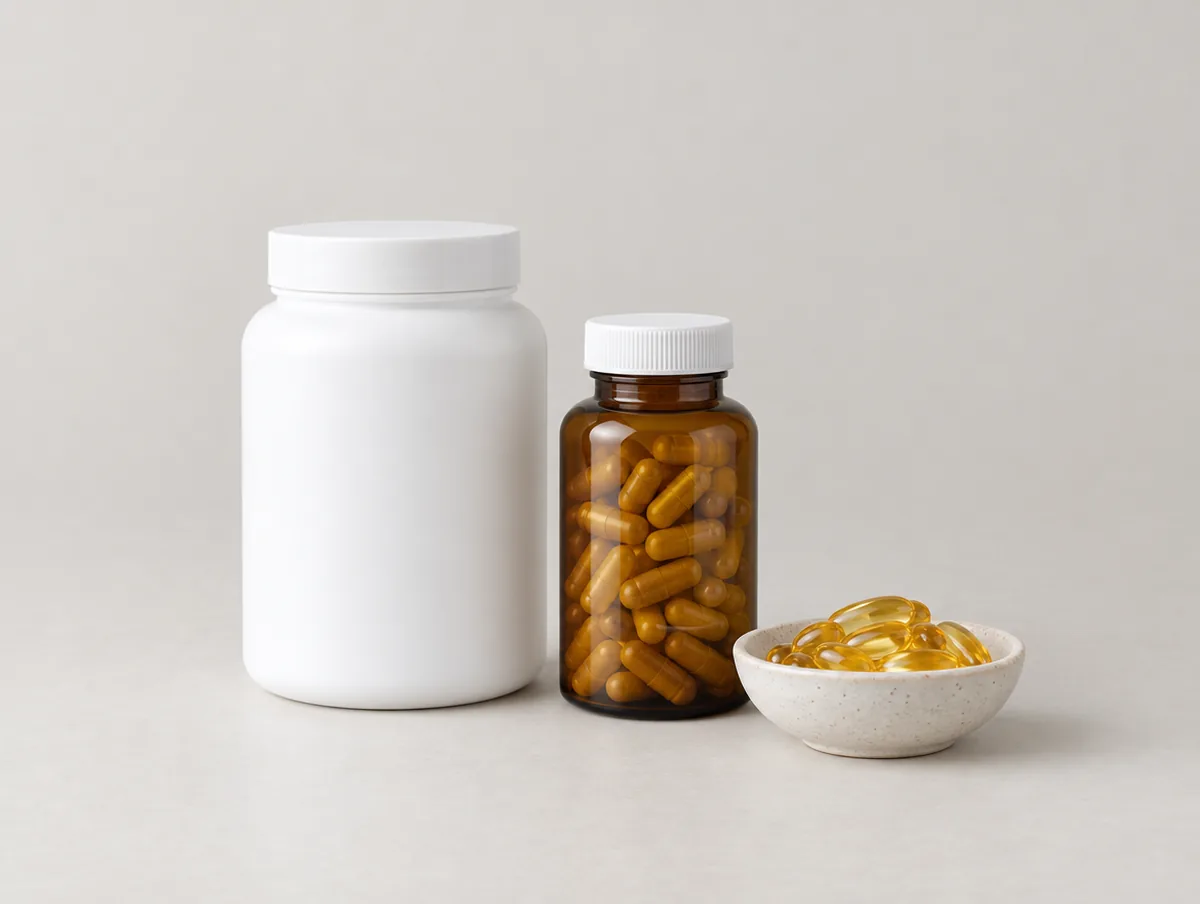
Supplement buyers may choose from a listing photo, and the counterfeit can be sold with the same photo. Authex records these listings along with unauthorized health claims attached to your product.
Implementation
Authex scans marketplace listings, web shops, social media accounts and ads that use your product names and your box and bottle images. Stores outside your authorized seller list are flagged; for listings that copy your product photo, the finding shows the match type and similarity score. If you enter a price band for a product, listings priced below it get a price label. The regulatory compliance check flags non-permitted health claims and missing mandatory information in the listing text (product name, description and price). Once your brand files a notice, the listing's status is monitored, and sellers returning under a new store name are watched.
A large share of problem supplements circulates through online channels, and enforcement is moving there too. In Türkiye the limits on health claims are set by the 2023 regulation of the medicines agency TİTCK, and claims referring to the amount or rate of weight loss are never allowed. Third-party sellers and creators can still list the brand's product with claims they wrote themselves. Consumers may read those claims as the brand's promise, and when the result disappoints, the complaint can go to the brand.
Request a meeting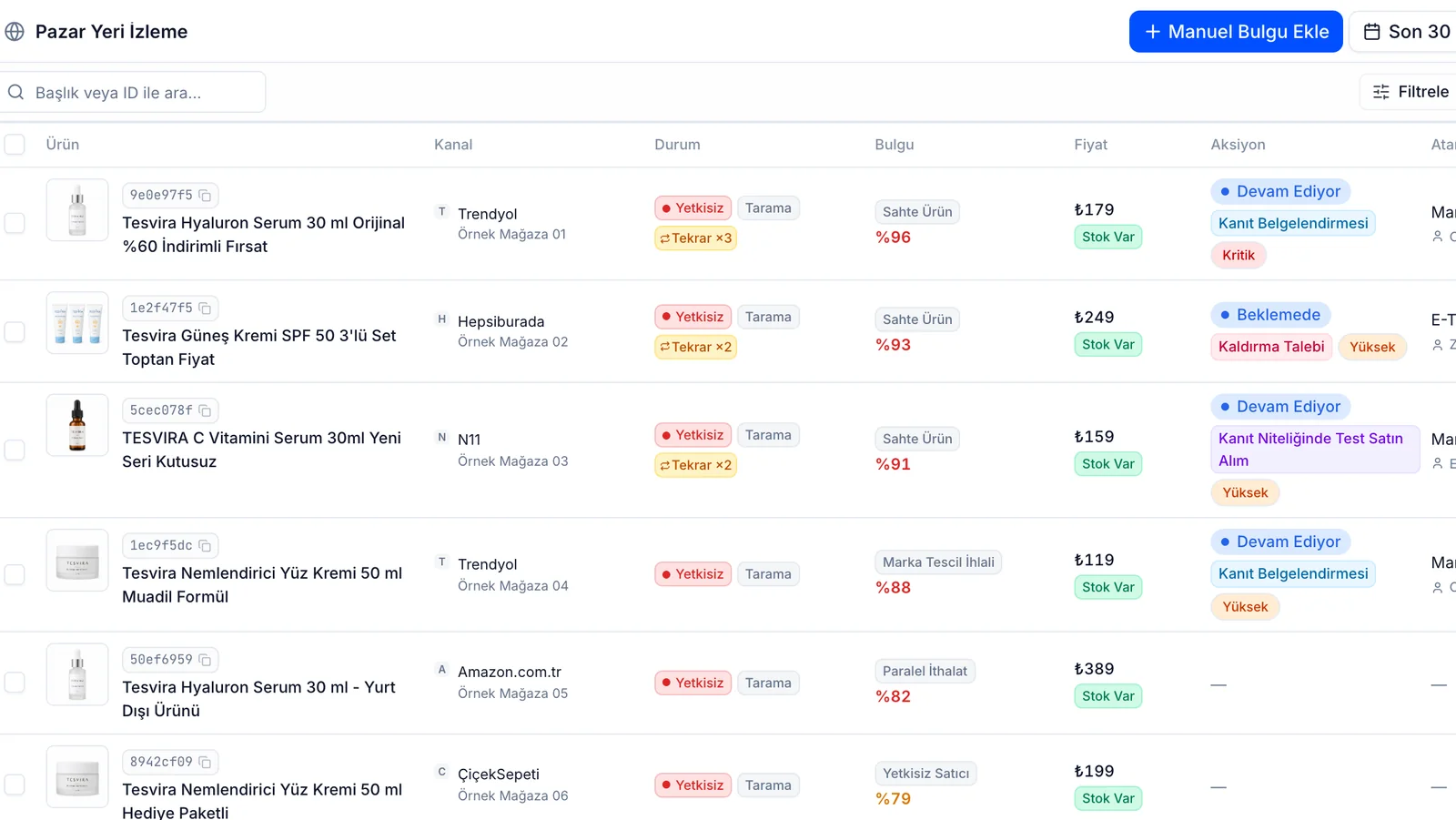
Data
Share of 2025 EU Alert and Cooperation Network cases on dietetic foods, food supplements and fortified foods that were linked to online sales
Source: European Commission, Alert and Cooperation Network 2025 Annual ReportNotifications created in the 2025 joint EU customs and food authority checks on food supplements sold online, focused on consignments under EUR 150
Source: European Commission, Alert and Cooperation Network 2025 Annual ReportRisks
The counterfeiter may copy the brand's product photos and description into a new listing and price it below the official store. The buyer may receive a box with a different label or contents.
Sellers and creators may add claims such as "lose kilos fast" or hint that the product treats disease. Because the claim travels with the brand's product name, both consumers and inspectors may tie it to the brand.
Stock of unclear origin can be sold on marketplaces with unknown storage history. Boxes close to or past their expiry date can turn up in discounted listings.
Social media accounts using the brand name may claim to be official dealers and take orders by message. When closed, they can come back with small changes to the name.
Example scenario
Product names, images, official accounts and authorized sellers are entered.
Marketplaces, web shops, social media ads and creator posts are scanned by product name and image similarity.
Counterfeit, unauthorized sale and non-permitted claim findings are kept under separate headings and ranked by risk. Findings can be assigned to the right people in quality, marketing and legal.
Your brand or lawyer files trademark complaints against counterfeit listings and reports claim violations to the seller and platform. If the same image or description appears in a new store, the record reopens.
Regulation
Published in the Official Gazette on 20 April 2023, the regulation says health claims on labels, in promotion and in advertising may not be vague, false or misleading. Claims that refer to the amount or rate of weight loss or gain, and claims that health will suffer if the product is not consumed, are not permitted.
Under Law No. 6563, the marketplace removes the product on the right holder's complaint backed by information and documents on the intellectual property infringement and informs the seller and the right holder; if the seller submits an objection backed by information and documents showing the opposite, the product is relisted. Articles 12 to 14 of the regulation set the complaint and objection procedure and provided for a 48-hour removal period and a 24-hour relisting period; the execution of these articles was stayed by the 10th Chamber of the Council of State (Danıştay) in May 2023, and as of November 2026 we have found no published information that the stay has been lifted. Platforms may continue to apply these periods in their own procedures; confirm the current position with your lawyer.
This section is for information only; official sources prevail for current obligations.
FAQ
The rights holder or their lawyer files a complaint with the marketplace backed by information and documents on the infringement (the trademark certificate, the grounds of infringement and the listing URL), and the marketplace removes the product. The regulation's 48-hour period was stayed by the 10th Chamber of the Council of State (Danıştay) in May 2023; confirm the current position with your lawyer. If the seller objects with information and documents showing the opposite, the product is relisted. Authex prepares the evidence and monitors the listing's status after the complaint.
The TİTCK regulation bans vague, false or misleading health claims, claims referring to the amount or rate of weight loss, and claims that health will suffer if the product is not taken. Attributing disease prevention or treatment properties to a food also breaches the labelling rules.
Liability depends on the facts, and that decision belongs to your legal team. A non-permitted claim circulating under your brand name can still lead to consumer complaints and official scrutiny. Authex lists such claims by listing and keeps the evidence of the correction or removal request in the same record.
No. Contents need laboratory analysis, and approval status is checked against the competent authority's official records. Authex monitors how your product is sold and promoted online.
Other industries
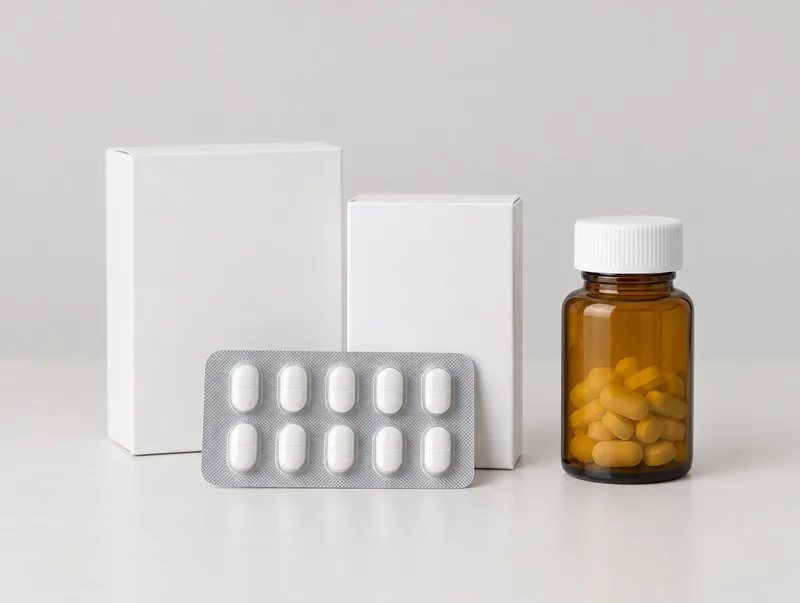 PharmaceuticalsFind and document websites, fake pharmacy accounts and listings that sell your medicines online.
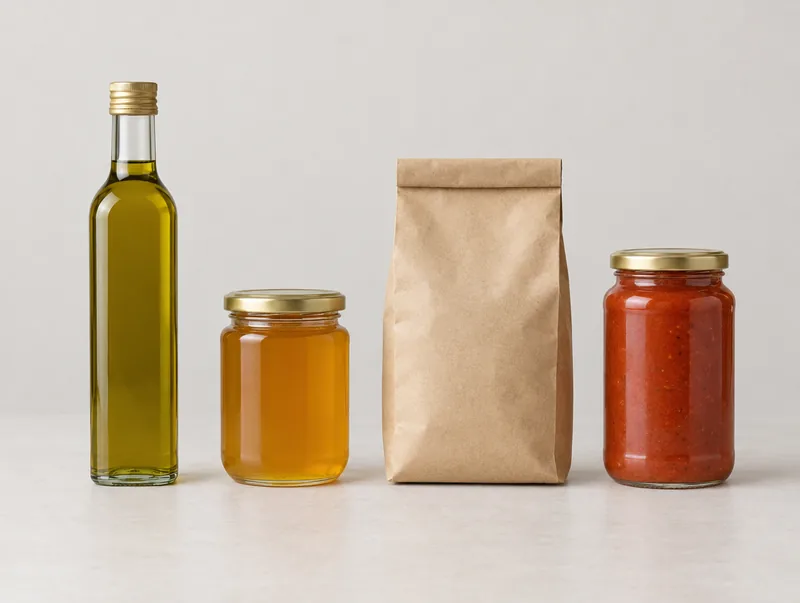 Food and beverageMonitor fake campaign pages, counterfeit listings and online sales missing mandatory food information.
 Cosmetics and personal careTrack dupe and counterfeit listings, fake giveaway accounts and misleading product claims online.
Meeting request
The first meeting reviews your brand, sales channels and the risks you face, and recommends a monitoring scope.
Request a meeting