Fake campaign pages in the brand's name
Around holidays or anniversaries, pages using the brand logo can promise free product boxes and ask for card or personal details. The complaints can land with your customer service team.

In food, online risk can show up as a fake campaign page opened in the brand's name or a marketplace listing with incomplete label information. Authex finds and records this content, and keeps monitoring its status after your brand files a notice.
Implementation
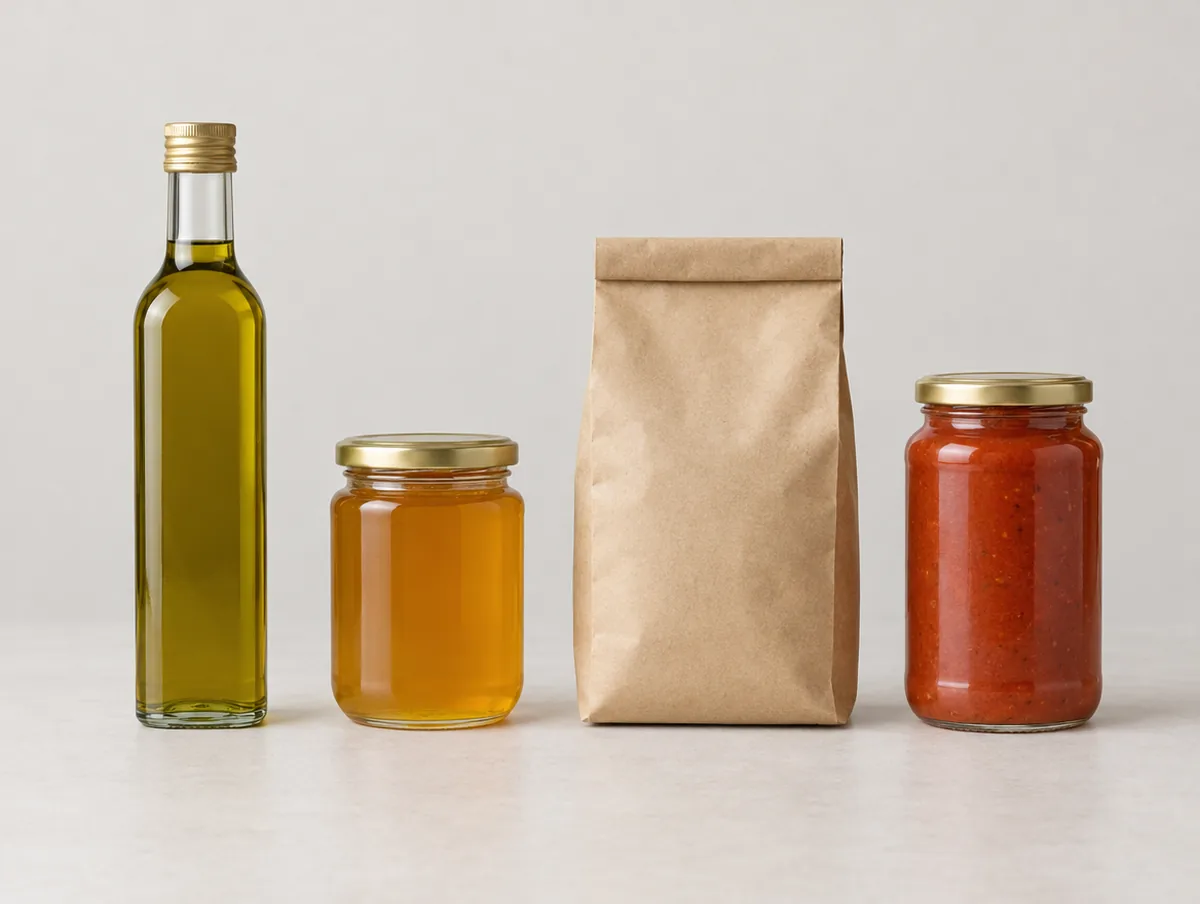
Authex scans marketplace listings, independent web shops, social media ads and look-alike domains that use your brand name and pack images. Stores missing from your authorized seller list and pages promising free product boxes are flagged separately; if you enter a price band for a product, listings priced below it get a price label. The regulatory compliance check looks in the listing text (product name, description and price) for missing mandatory information such as the allergen list and country of origin, and for claims that a product prevents or treats disease; it does not inspect product images or labels. Findings are assigned to your teams, and removed listings are watched for re-listing.
For pre-packed food sold at a distance, Turkish rules require mandatory information other than the best-before or use-by date to be on the listing before the purchase is completed. Third-party stores selling your product on a marketplace may copy this information from an old pack or leave it out, and a consumer can order on the basis of a wrong allergen statement. Because the listing carries the brand name and photo, the seller's mistake can look like the brand's. Around holidays and campaigns, gift box pages opened in the brand's name can ask users for personal details or a shipping fee.
Request a meeting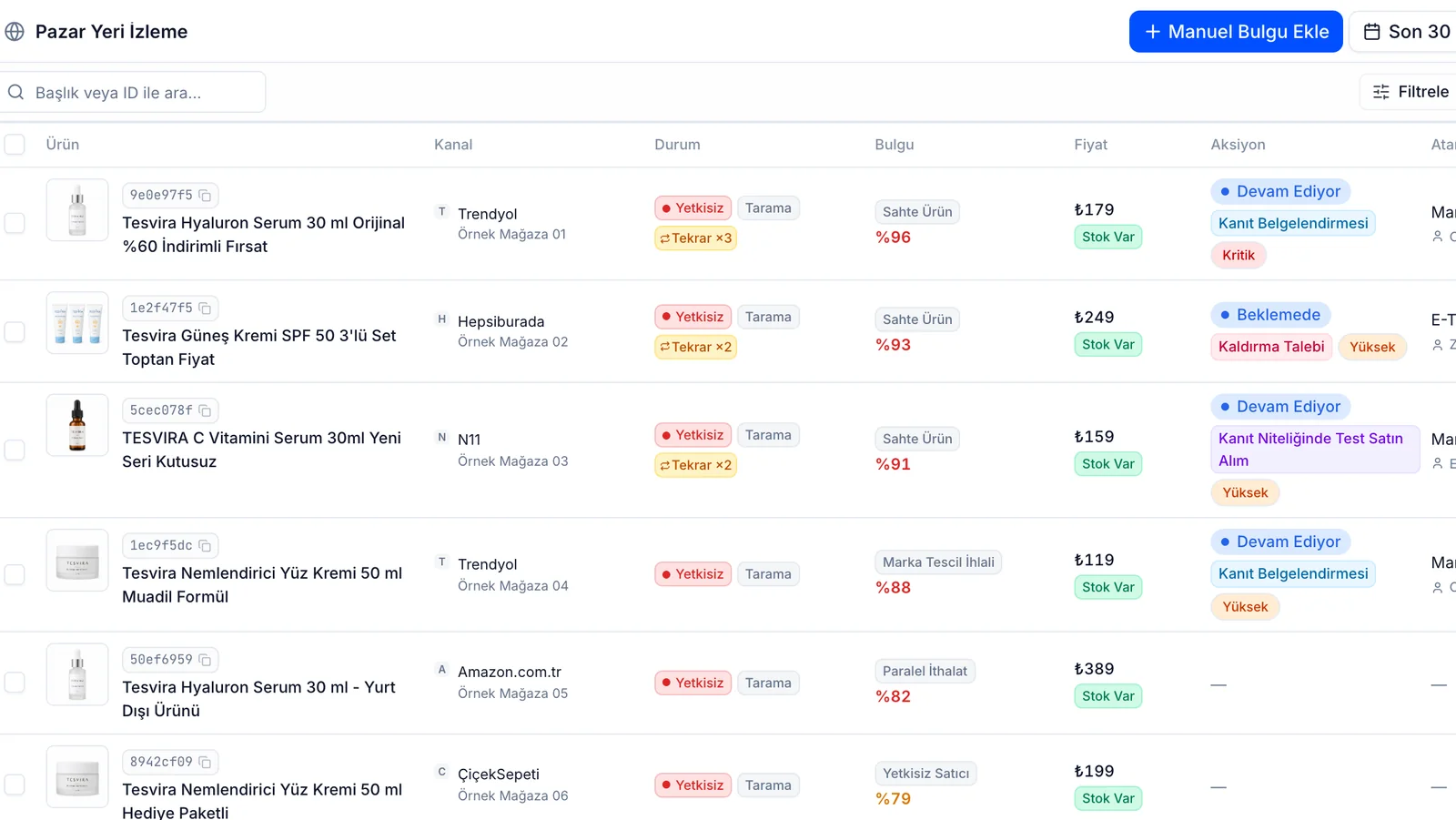
Risks
Around holidays or anniversaries, pages using the brand logo can promise free product boxes and ask for card or personal details. The complaints can land with your customer service team.
Third-party sellers may copy ingredient, allergen and net quantity information from an old pack or leave it blank. A listing that still shows the old details after a recipe change is a direct risk for an allergic consumer.
Products allocated to another channel or to export can be sold on marketplaces below the official store price. Storage conditions and dates may not be visible on these listings.
Sellers may add phrases such as "lowers blood sugar" or "prevents cancer" to honey, olive oil or herbal tea listings. Attributing disease prevention or treatment properties to food is banned in advertising and promotion as well.
Example scenario
Product names, pack images, official accounts and authorized seller stores are entered, optionally with an expected price band per product.
Listings are scanned by seller name, price and image similarity. Stores outside the authorized list and campaign pages are kept apart.
Listings whose text lacks mandatory information, descriptions with health claims and fake campaign pages are recorded with evidence and assigned to the right team.
Your brand or lawyer files trademark complaints for infringing listings and reports fake campaign pages to the platform or the domain registrar. When a consumer complaint arrives, the store it was bought from can be checked against these records.
Regulation
For food sold through distance communication, mandatory information other than the best-before or use-by date must be available before the purchase is concluded, and all information must be provided at delivery. The regulation also bans attributing disease prevention, treatment or cure properties to food and applies this rule to advertising and promotion.
A trademark owner can stop others without a right to the sign from using it online, with commercial effect, as a domain name, redirect code, keyword or in similar ways. Campaign domains carrying the brand name can be assessed under this provision.
This section is for information only; official sources prevail for current obligations.
FAQ
Reselling a genuine product may not count as trademark infringement on its own. Removal needs a basis such as a counterfeit product, unauthorized use of images or misleading information. Authex separates stores that are not on your authorized list and records each listing with a screenshot, seller details and any image match; your legal team decides which ground to use.
The right holder reports the page or ad to the platform as brand impersonation and fraud, and to the domain registrar if it runs on its own domain. Authex captures the page, prepares the report draft and watches whether the same content spreads to other accounts.
Under the distance selling article of the Turkish labelling regulation, mandatory information such as the food name, ingredients, allergens, net quantity, operator details and origin must be available before the purchase is completed. The best-before or use-by date is exempt from this pre-purchase rule, and all information must be given at delivery.
No. Authex does not examine the physical product. Suspected spoilage or adulteration needs laboratory analysis and official control; Authex monitors how the brand is used in listings, ads and social media.
Other industries
 Alcoholic beveragesRecord social media accounts taking drink orders, fake shop pages and unauthorized use of your logo.
 Food supplementsTrack counterfeit supplement listings, non-permitted health claims and unauthorized online sellers.
 Industrial equipmentMonitor fake distributor sites, look-alike domains and counterfeit consumables listings.
Meeting request
The first meeting reviews your brand, sales channels and the risks you face, and recommends a monitoring scope.
Request a meeting