Counterfeit listings using OEM numbers
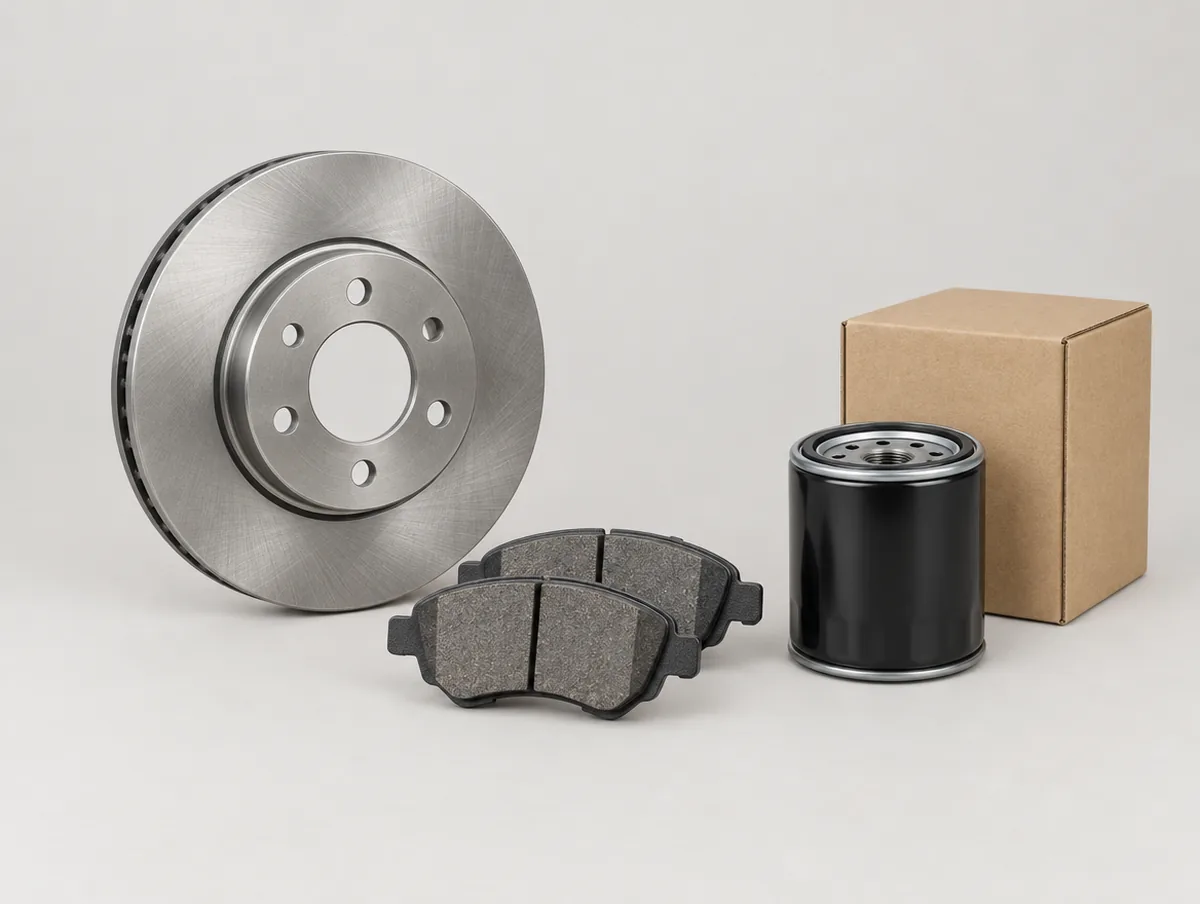
The seller may put your part number and brand name in the title and show the original box in the photo. What arrives can be another maker's part or a part in a fake box.

Spare parts can be searched online by part number, and counterfeits can be listed under the same number. Authex records listings, sellers and ads that use your brand name and OEM numbers, with evidence.
Implementation
Authex scans marketplace listings, spare parts web shops, social media posts and search ads that use your brand name, logo, OEM part numbers and box images. Listings from sellers missing from your authorized distributor list that claim to be "original" are flagged; if you enter a price band for a product, listings priced below it get a price label. Findings are ranked by risk. Once your brand files a notice, the listing's status is monitored, and new listings under the same part number are watched.
The 2025 OECD and EUIPO report notes that counterfeiters increasingly market fraudulently branded spare parts on online platforms, targeting mechanics and repair shops in particular. The part goes from the workshop bench into the car, and the owner believes it is genuine. The report also describes counterfeit airbags that can fail to deploy in a crash. A part number search on a marketplace can be one place where this chain begins.
Request a meeting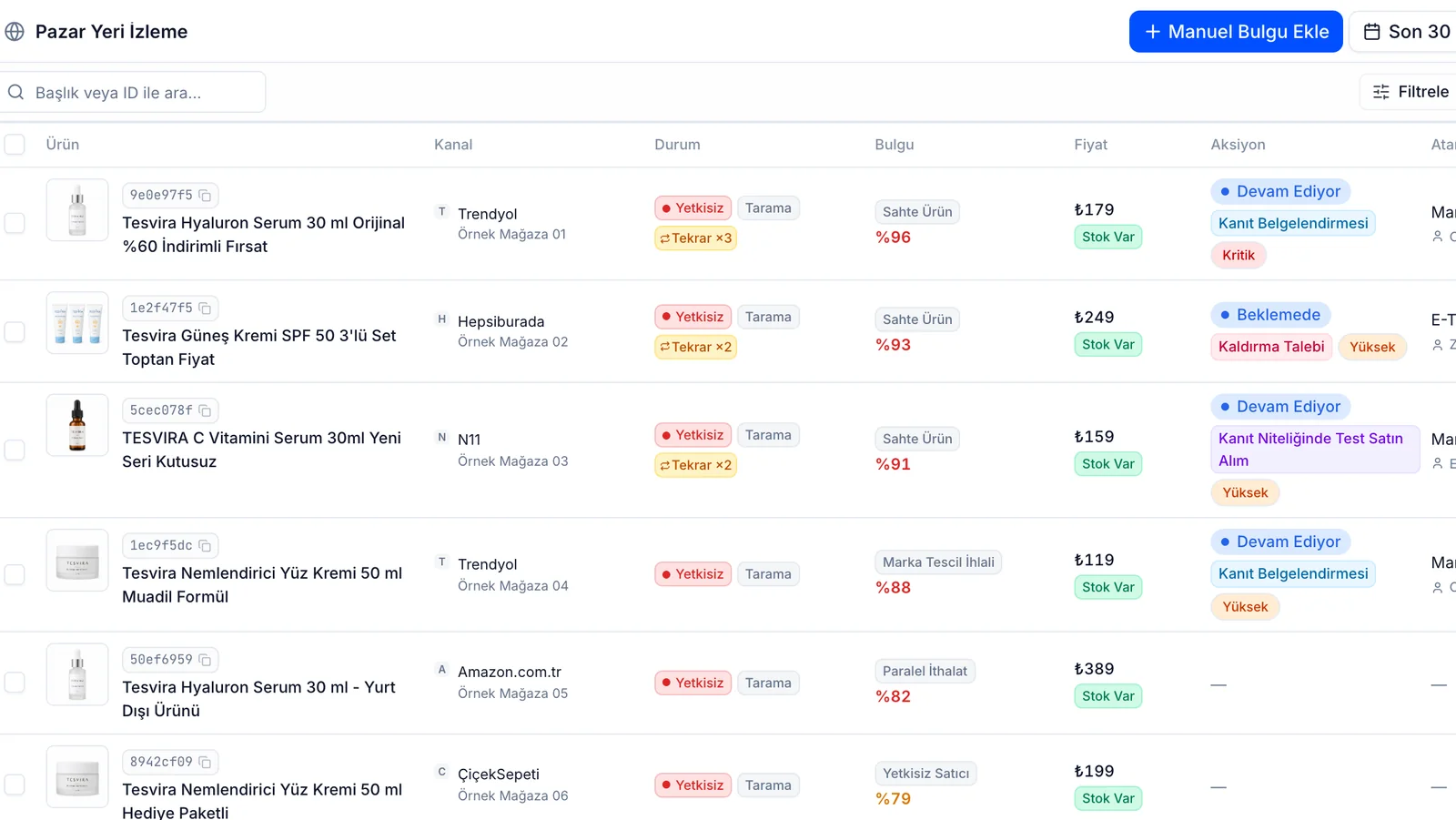
Data
Average value per item of counterfeit spare parts in OECD-EUIPO seizure data
Source: OECD and EUIPO, Mapping Global Trade in Fakes 2025Share of counterfeit seizures worldwide in 2020-21 involving shipments of fewer than ten items, up from 61% in 2017-19
Source: OECD and EUIPO, Mapping Global Trade in Fakes 2025Risks
The seller may put your part number and brand name in the title and show the original box in the photo. What arrives can be another maker's part or a part in a fake box.
Price lists for "original" parts can circulate in social media posts and messaging channels for mechanics who buy in bulk. These sales do not show up in marketplace records.
Counterfeit brake pads, airbags and suspension parts directly affect vehicle safety. After a failure or crash, the first question can go to the brand on the part.
Sites with the brand name in the domain can present themselves as regional distributors and collect dealer applications and bulk orders.
Example scenario
Brand names, OEM numbers, box and label images and authorized distributors are entered.
Marketplaces and parts web shops are scanned by part number, and social media and ads by brand name.
Findings are ranked as critical, high, medium or low risk. Unauthorized seller findings can be assigned to the right people in sales, and counterfeit findings to legal.
Your brand or lawyer sends a seller's listings to the platform in one complaint file. Removed part numbers stay under watch.
Regulation
A trademark owner cannot stop third parties from using the mark honestly and in the ordinary course of trade where it is needed to indicate the intended purpose, particularly for accessories, spare parts or equivalent parts. Listings presenting a part as original or using the logo and box can fall outside this exception.
The market surveillance authority notifies the intermediary about a non-compliant product sold online. If the platform does not remove the content within 24 hours, access to the address is blocked. For safety parts, listing records collected by the brand owner can be used in a report to the authority.
This section is for information only; official sources prevail for current obligations.
FAQ
Article 7 of the Turkish Industrial Property Law allows honest use of a mark to indicate the purpose of a spare or equivalent part, so stating which vehicle a part fits is covered. Presenting the part as original or using your logo or box image can go beyond indicating purpose. Authex classifies these two kinds of listing separately.
The rights holder or their lawyer files a complaint with the marketplace with the listing URL, trademark certificate and grounds for counterfeiting; under Law No. 6563, Turkish marketplaces remove the product on the right holder's complaint backed by information and documents. The regulation's 48-hour period was stayed by the 10th Chamber of the Council of State (Danıştay) in May 2023; confirm the current position with your lawyer. Authex adds the same seller's listings under other part numbers to the file.
Authex scans public posts and profiles on Instagram, TikTok, Facebook, X, YouTube and LinkedIn by brand name, part number and image similarity, and saves the posts it finds with dated screenshots. Groups and channels in messaging apps and closed groups that need access permission are not scanned. Findings can be turned into a PDF or CSV report your sales team can share with regional dealers.
No. Authex does not examine the physical part; material and performance testing is done in a laboratory. Authex records who sells the part online, under which number and with what claim.
Other industries
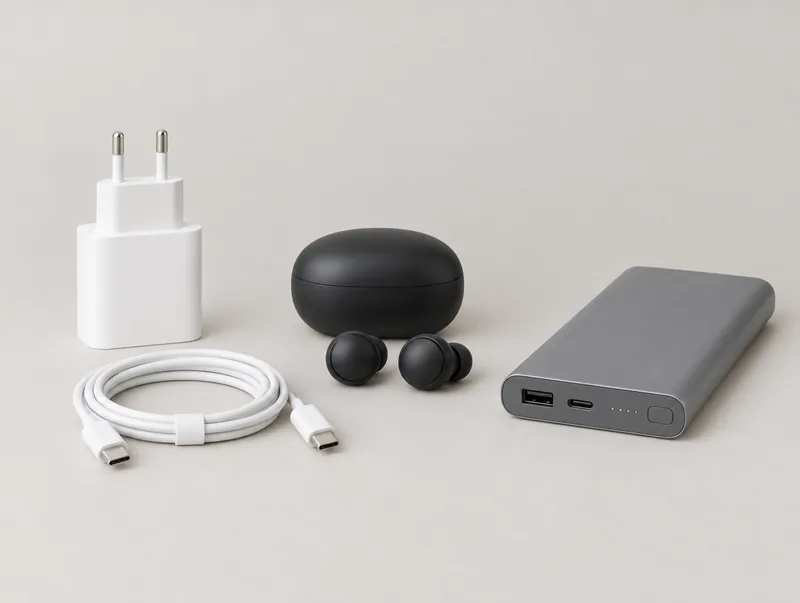 ElectronicsMonitor counterfeit charger and battery listings, fake repair service sites and copycat apps.
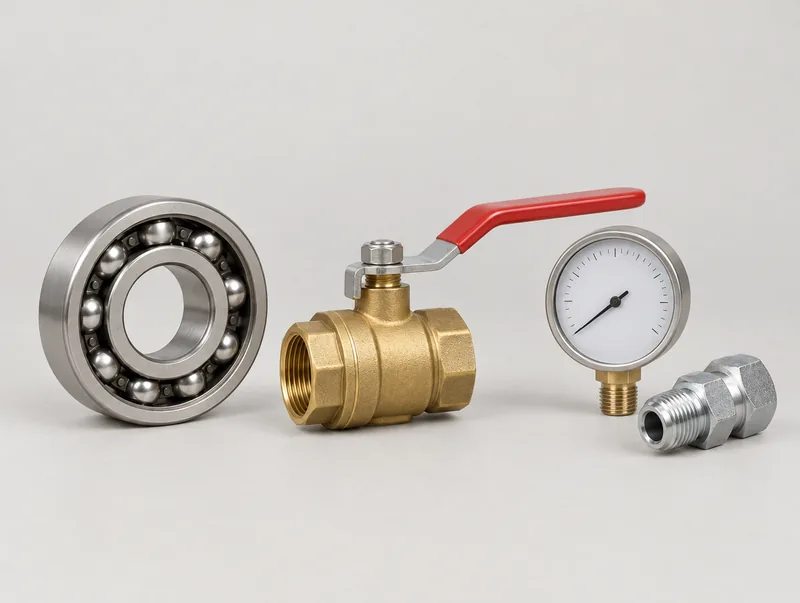 Industrial equipmentMonitor fake distributor sites, look-alike domains and counterfeit consumables listings.
 Luxury goodsDocument counterfeits on resale platforms, fake boutique sites and accounts trading on your brand name.
Meeting request
The first meeting reviews your brand, sales channels and the risks you face, and recommends a monitoring scope.
Request a meeting